Predictive maintenance in a rolling mill
Health indicators and anomaly detection models help detect abnormal behavior in rolling equipment before it turns into downtime.
Identifying deviations in rolling equipment behavior can help maintenance teams recognize abnormal operating conditions. This project combined process data, statistical baselines and anomaly detection models to calculate health indicators and support proactive maintenance.
Challenge
Rolling mills generate process signals across different production campaigns, products and routes. Maintenance teams need to interpret these signals to identify when equipment behavior departs from normal operation.
The challenge was to turn this process information into deviation indicators that could highlight abnormal behavior within the relevant operating context.
Data
The analysis used historical production campaigns grouped by product and route. Process variables included speed, torque, tension, RPM and load indicators.
This grouping provided the operating context for assessing equipment behavior across different products and routes.
Solution
Artelnics combined statistical operating ranges with auto-associative neural networks to calculate equipment health indicators and detect deviations in real time.
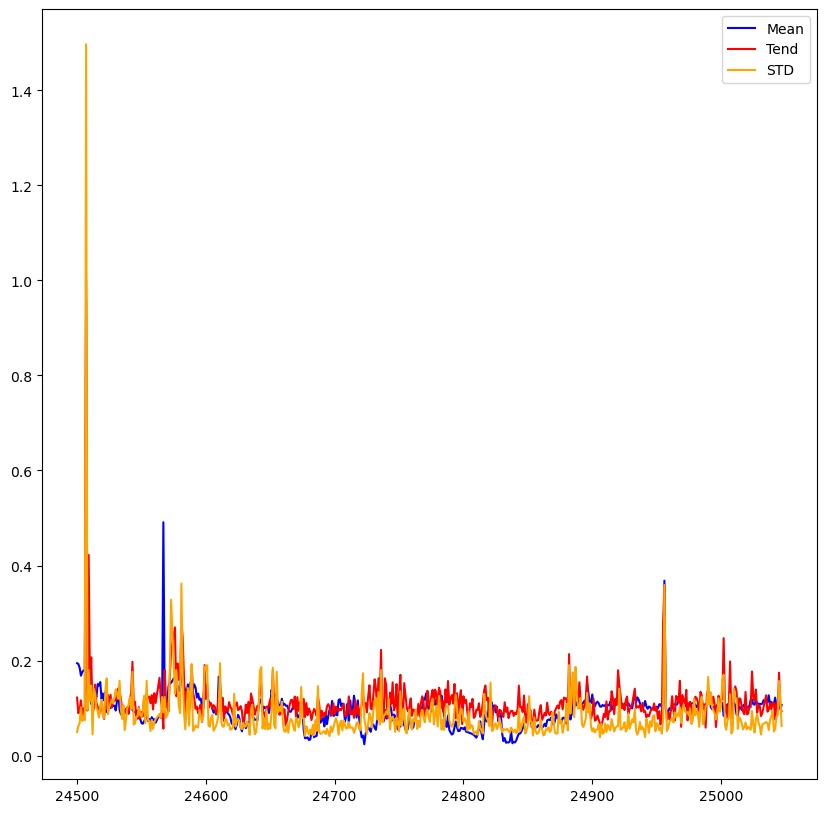
Statistical baselines and neural network models were used to identify departures from expected operating patterns. The outputs included deviation indicators and alarms linked to the equipment’s operating context.
Auto-associative neural networks and statistical baselines.
Deviation indicators and alarms by equipment context.
Results
The solution highlights when process behavior moves outside expected operating patterns, providing deviation indicators and alarms to support proactive maintenance.
These outputs help maintenance teams identify abnormal equipment behavior within its operating context.
Illustrations